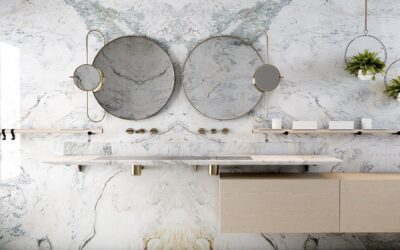
Marble has a reputation problem. Alongside the beautiful spreads in architecture magazines come horror stories: hair dye stains, acid damage and permanent etches.
But is marble actually that difficult to live with? With the right knowledge, caring for marble is straightforward. Here’s what you need to know.
Marble’s behaviour starts with its geology. It is a metamorphic rock, formed when limestone is recrystallised under intense subterranean heat and pressure. It sits between three and five on the Mohs hardness scale, softer than granite (six to seven).
Yes, marble demands attention. But approached with the right knowledge, its care becomes straightforward rather than a chore.
Etching Is Chemistry, Not a Stain
The most common grievance with marble is etching, which is frequently confused with staining. To care for marble properly, you need to distinguish between the two.
Staining is a matter of absorption. Because marble is naturally porous, pigments from red wine and cooking oils can seep into the stone’s pores.
Etching is a chemical reaction. Marble is primarily composed of calcium carbonate (CaCO₃), the mineral calcite. When acids, such as lemon juice, vinegar or wine, touch the surface, they dissolve the calcite on contact. This physically changes the surface texture, leaving a dull, light-coloured mark.
Myth
Applying a high-quality sealer will prevent marble from etching.
Fact
Sealers are impregnators designed to fill the stone’s pores and prevent staining (absorption). They do not create a physical barrier against the chemical reaction of etching. Even factory-treated slabs will etch if an acid is left to sit.
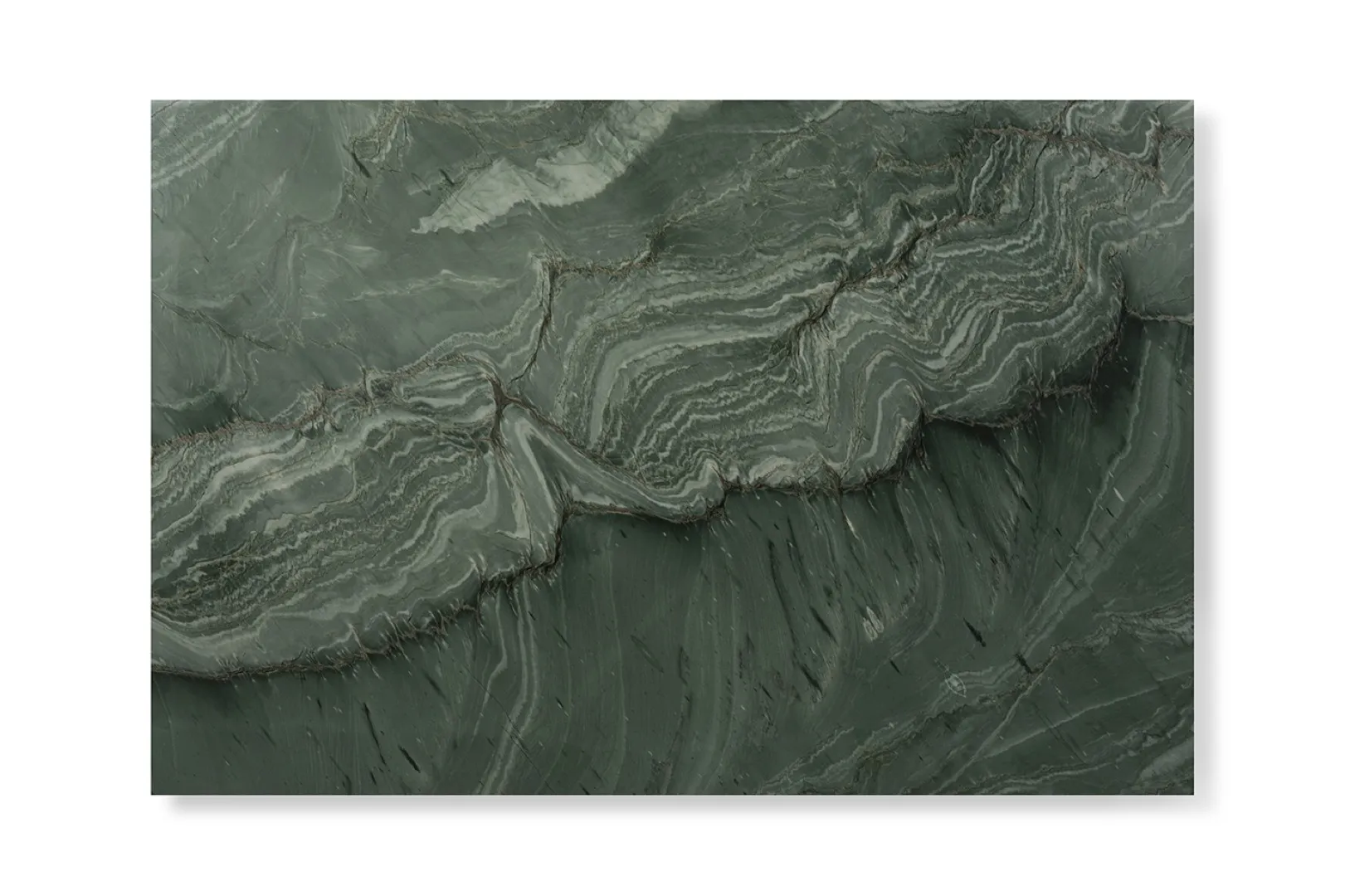
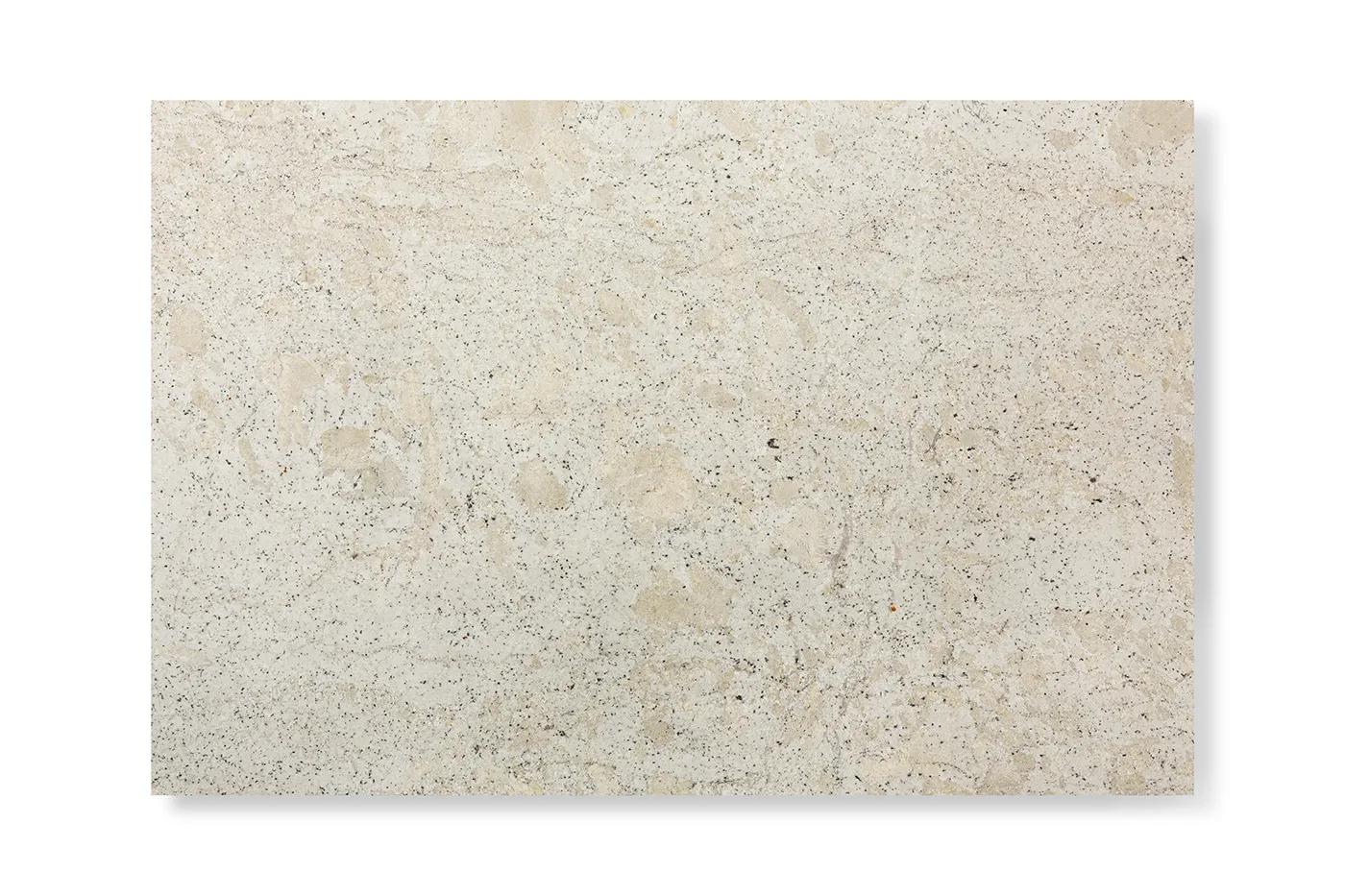
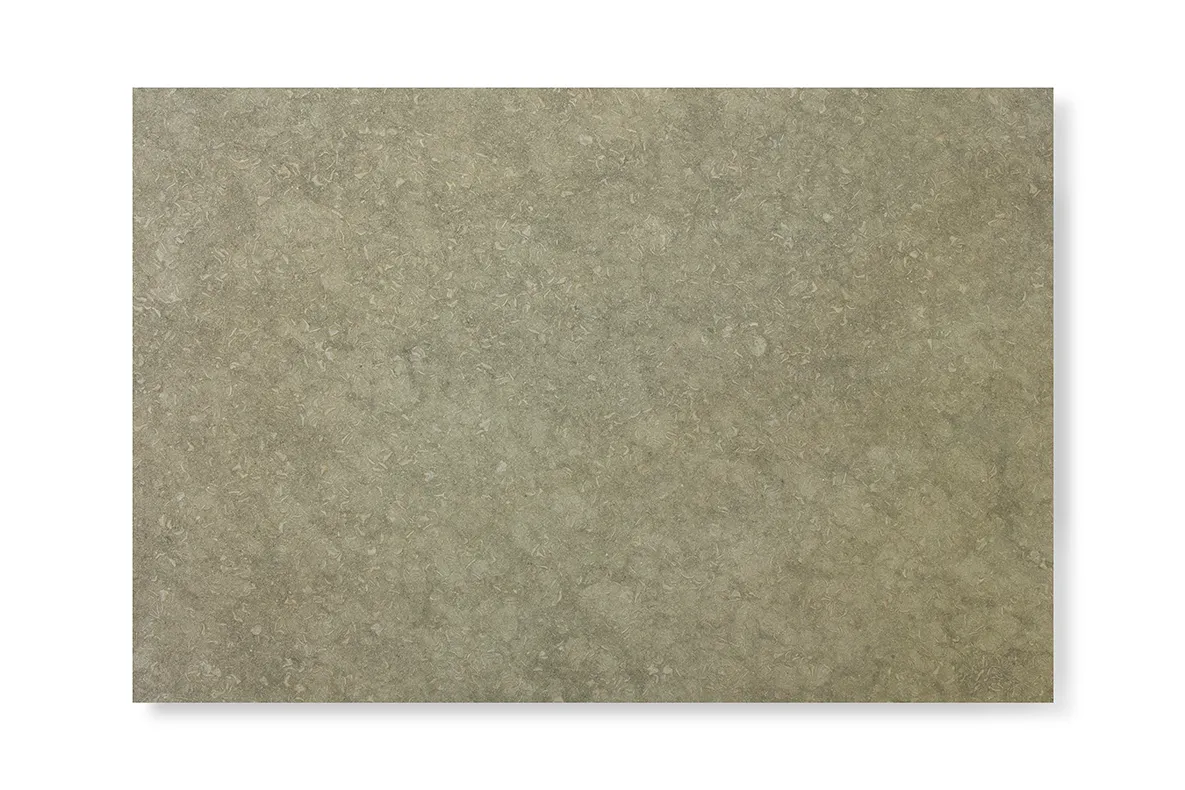
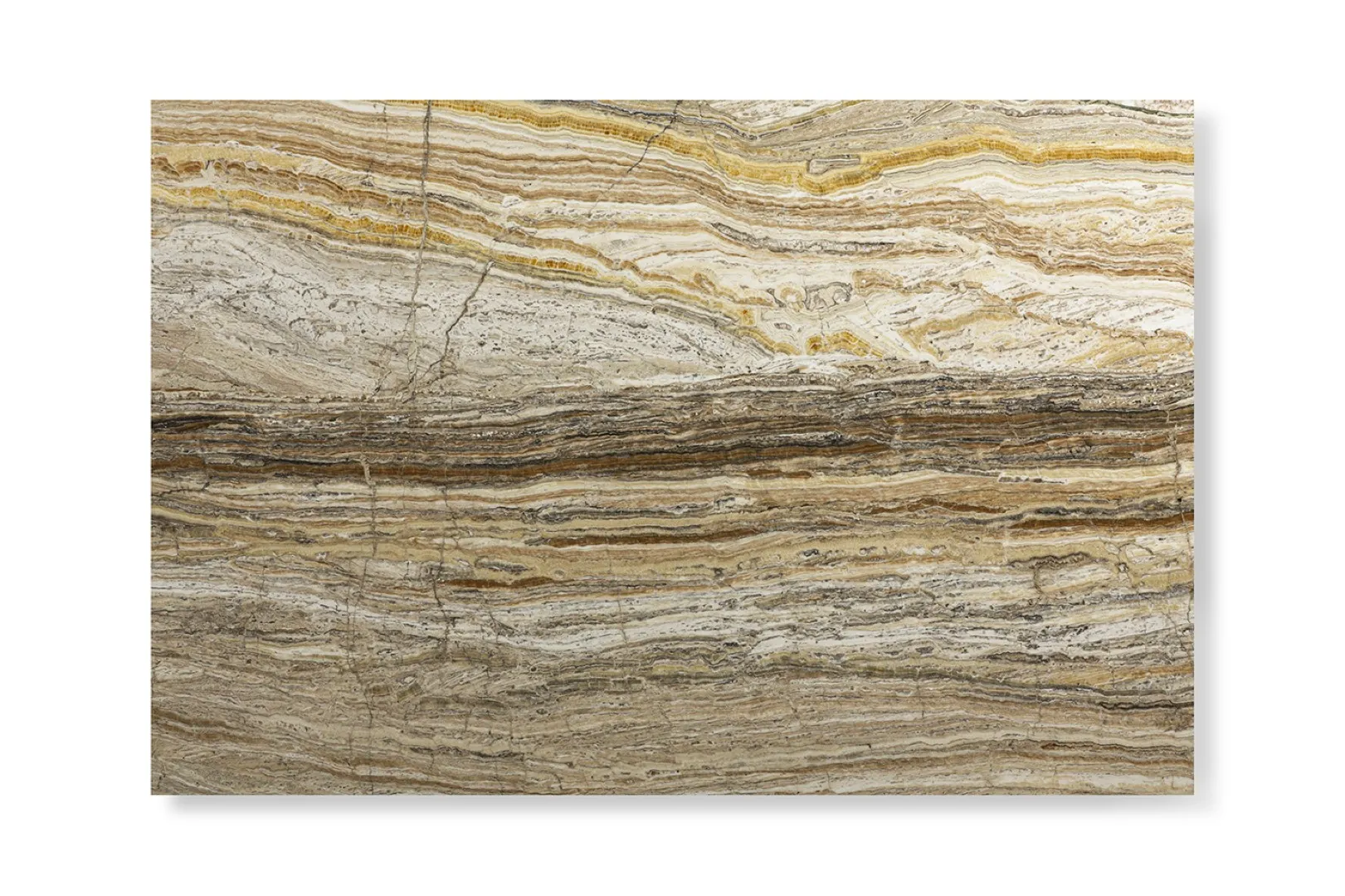
Marble Slabs and Varieties: Why Not All Marble Performs the Same
Not every marble performs the same way under daily use. The geology of where it’s quarried makes a real difference, and one variety stands out.
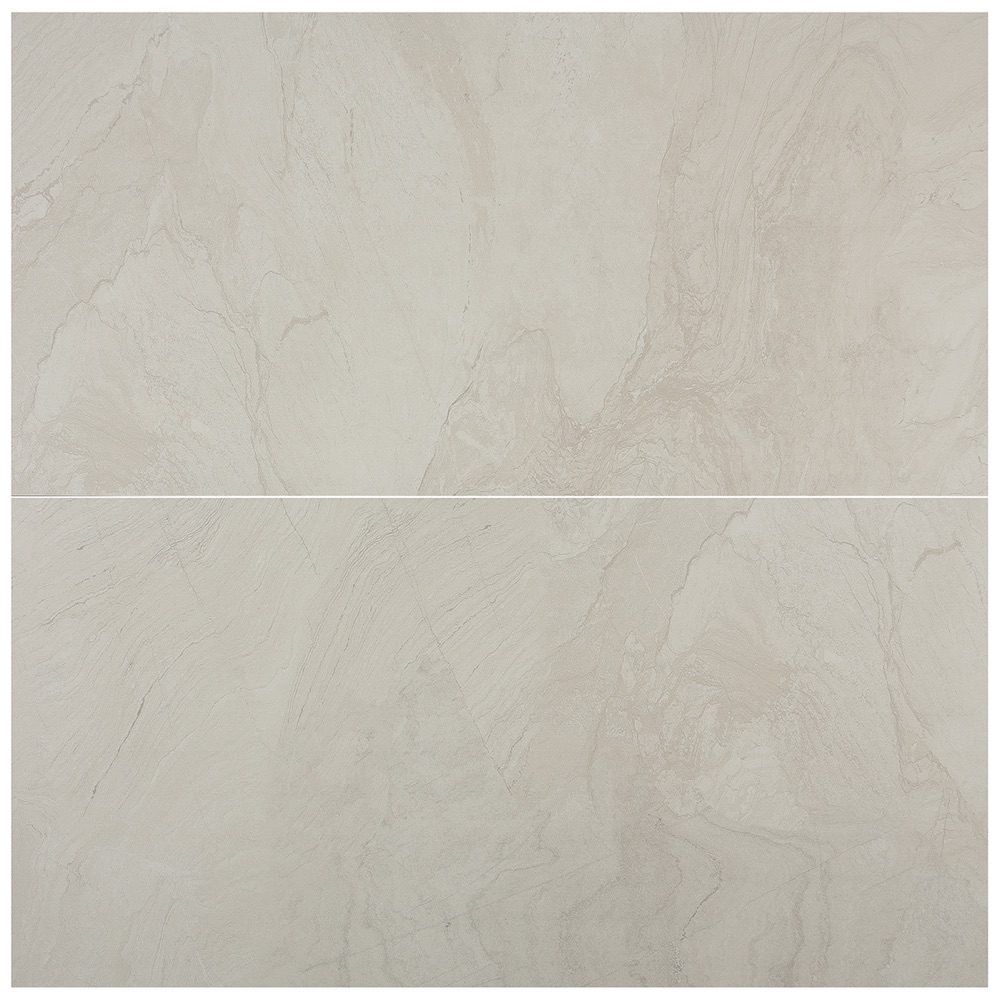
Homeowners often assume all white marbles perform identically, but regional geology dictates durability. Italian classics like Carrara and Calacatta are the standards for beauty, though they tend to have higher absorption rates than denser alternatives.
For lower maintenance, Vermont Danby is worth considering. Quarried in the largest underground quarry in the world, Danby is geologically denser than its European counterparts. Its lower absorption rate makes it more resistant to moisture, which slows the etching process and gives you more time to manage spills before damage occurs.
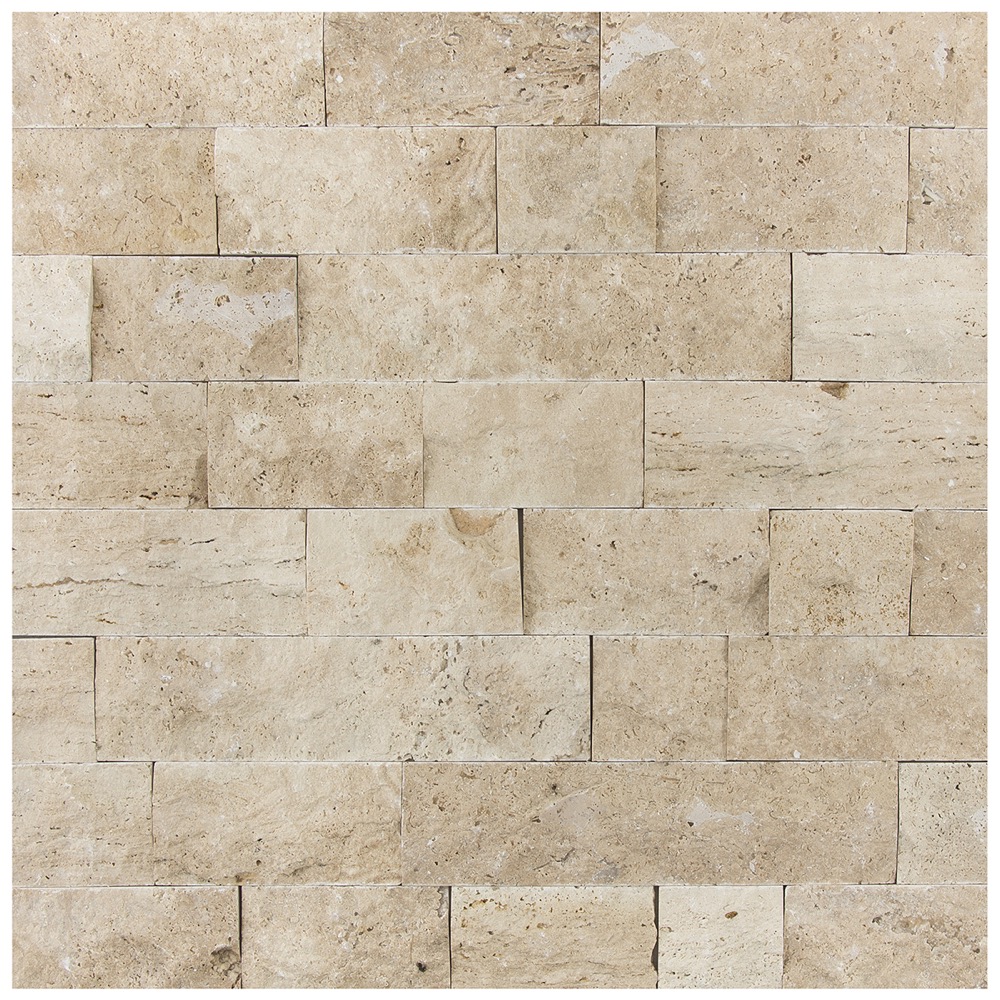
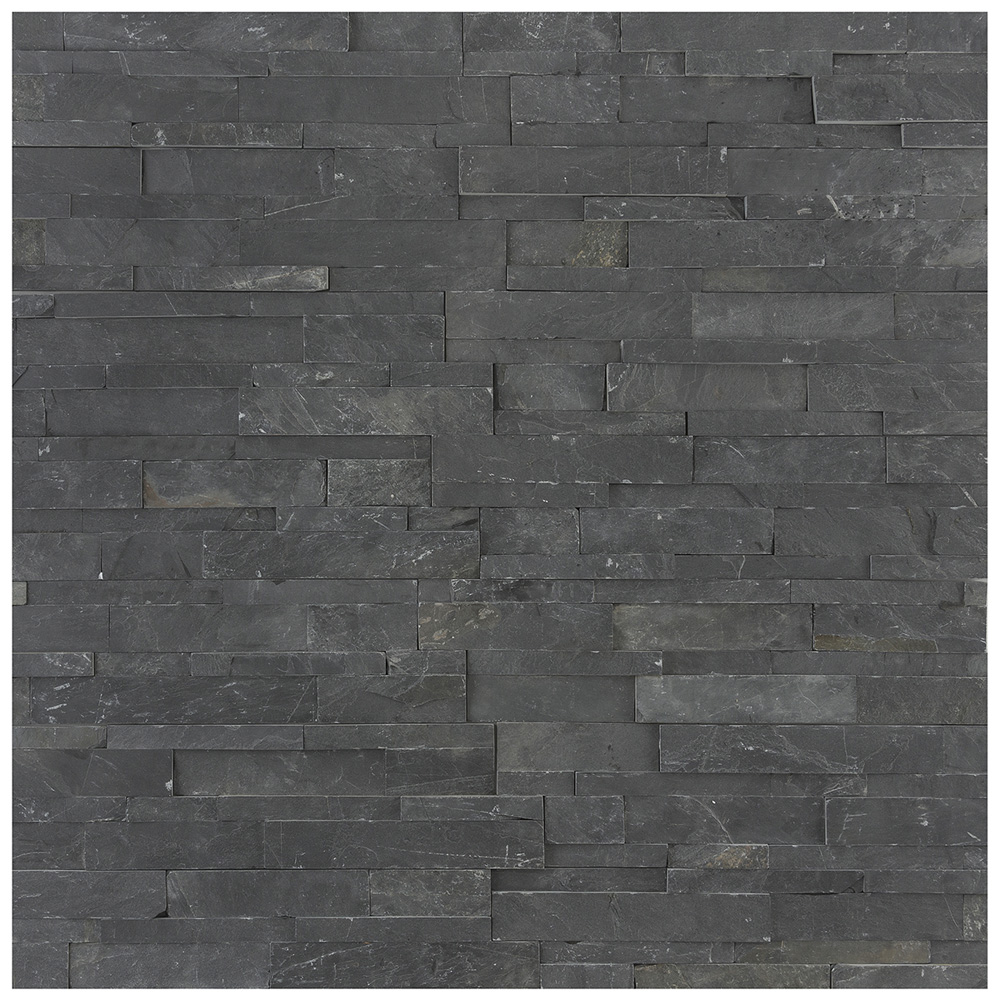
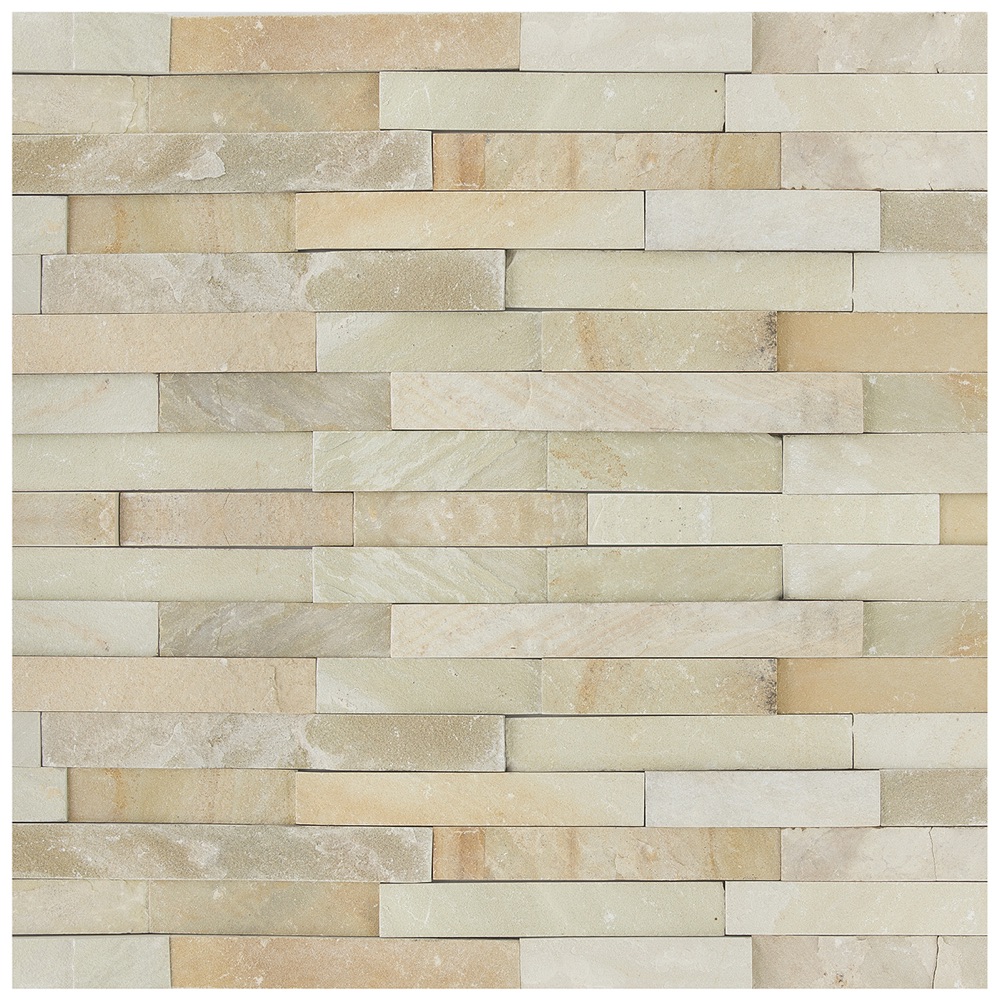
We stock a range of marble slabs and marble tiles to suit different applications and budgets. Browse our natural stone collection to find the right fit for your project.
Polished vs Honed Marble: Which Finish Is Right for You?
While a high-gloss polished finish is the traditional choice for luxury, fabricators increasingly recommend a honed finish for active kitchens.
Fabricators create a honed surface by stopping the grinding process at a lower grit, typically 400 to 600, resulting in a matte, velvety appearance.
For a busy home, the honed finish is a practical choice. It diffuses light rather than reflecting it, so inevitable etch marks and minor scratches are effectively camouflaged. On certain varieties like Danby, minor etches can often be buffed out manually using fine steel wool to restore the matte, uniform glow.
| Category | Polished | Honed |
| Appearance | High-gloss, mirror-like look. | Matte, velvety, diffuses light |
| Wear visibility | Highlights fingerprints and some wear spots | Effectively hides stains and etch marks |
| Tactile feel | Sleek, smooth and cool | Soft, velvety and satin-like |
| Recommended use | Low-traffic vanities, backsplashes, fireplaces, and marble wall cladding | High-traffic kitchen islands, marble countertops, floors and showers |
The Patina Mindset: Embracing the Living Surface
Once you understand how marble ages, the first etch mark stops feeling like damage.
In high-traffic European bakeries and centuries-old Italian palazzos, marble is celebrated for its patina. This is a philosophy that views stone as a living material, one that records the history of a home.
The first etch mark might feel like a disaster to first-time marble owners. But over years of use, these marks blend into a soft, seasoned character. The surface doesn’t look used; it looks lived in.
Every etch is a memory of a meal shared. Every scratch is a testament to a life well lived. This authentic ageing gives marble a warmth that no manufactured material can replicate.
The Case for Natural Stone Countertops and Property Value
Marble is a recognised status symbol in the luxury property market. It signals a level of quality that mass-produced materials can’t match.
High-quality natural stone surfaces are consistently cited by estate agents as a key value-add in luxury homes. Buyers associate natural marble countertops and stone finishes with superior craftsmanship.
For homeowners investing in a kitchen or bathroom renovation, choosing natural stone countertops is a long-term decision that pays dividends at the point of sale.
How to Clean Marble Stone: A Simple Care Routine
Maintaining marble isn’t about hours of work. It’s about consistency. Here is what daily care looks like.
Daily Care
Wipe surfaces with a microfibre cloth and warm water mixed with a few drops of pH-neutral dish soap. Avoid all-purpose sprays containing vinegar or citrus.
Prevention: The Three Essentials
Use these three barriers to protect your surface:
- Coasters for drinks
- Trivets for hot pans, to avoid thermal shock
- Cutting boards for food preparation
Periodic Check
Perform the water drop test every six months. Place a few drops of water on the stone. If it beads, the seal is intact. If the stone darkens, reseal it with a professional-grade natural stone sealer.
Not sure which sealer to use? Our team can advise on the right product for your stone. Get in touch with us for guidance.
Frequently Asked Questions
Can Marble Be Used Outdoors?
Some marble varieties are suitable for covered outdoor areas, patios and feature walls. Honed finishes are generally preferred outdoors as they are less slippery when wet. Speak to our team about which marble stone products are suitable for exterior use.
How Often Does Marble Need Resealing?
As a general guide, reseal every six to 12 months, depending on traffic and use. The water drop test (above) is the most reliable way to know when it’s time.
What Is the Best Marble for a Busy Kitchen?
For marble kitchen countertops in high-traffic homes, a honed finish on a denser variety is the most practical choice. Our team can help you find a marble that suits both your aesthetic and your lifestyle.
Marvellous Marble: An Unforgettable Statement Piece
Marble is not a set-and-forget material. It suits the homeowner who appreciates the ritual of care, or the one who is happy to watch a surface evolve naturally over time.
Caring for marble rewards those who take the time to understand it. With the right approach, it becomes one of the most enduring choices you can make for your home.
Buy marble natural stone and create an unforgettable space. Visit our Cape Town or Joburg showrooms to see the collection in person.